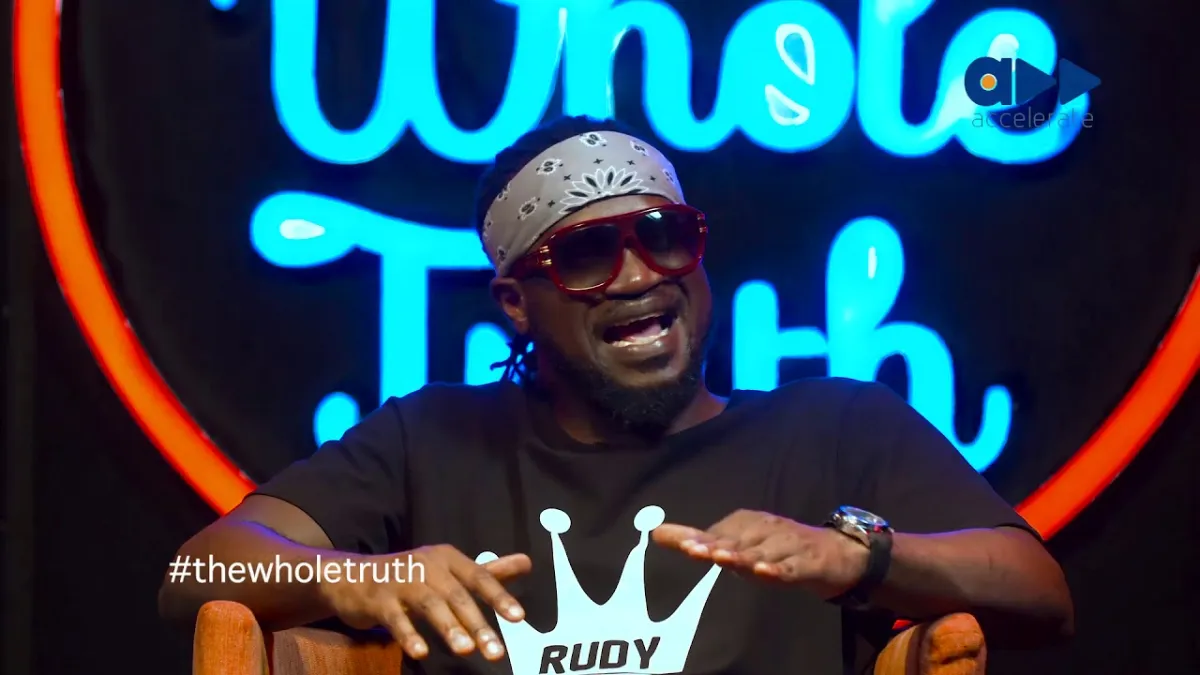
For more than a decade, P-Square was the biggest duo in African music. Then the twins stopped speaking.
Peter and Paul Okoye were born in November 1981 in Jos, Plateau State. As students at St Murumba College in Jos, they joined a drama and music club, performing covers of Michael Jackson, MC Hammer and Bobby Brown. They formed P-Square and moved to Lagos to chase a recording career.
The hits
Their albums, including Get Squared, Game Over and Danger, produced a string of hits: “Senorita”, “Do Me”, “No One Like You”, “Busy Body”, “Chop My Money” and “Personally”. Their dancing, inspired by Michael Jackson, and their polished music videos made them stars across Africa. They signed a deal with Akon’s Konvict Muzik and performed across the world. “Beautiful Onyinye” featured Rick Ross, and a remix of “Chop My Money” brought in Akon and May D, songs that took the twins into American clubs and onto international music channels.
The cracks
Tension grew in the mid-2010s. The brothers disagreed over management, with their elder brother Jude Okoye managing the group, and over business and personal matters. Public disputes spilled onto social media, with each side accusing the other in posts and interviews. In 2017, the group officially split.
Solo careers
Peter went by Mr P, and Paul by Rudeboy. Both released solo music. Rudeboy’s “Reason with Me” and “Audio Money” were hits, and Mr P released solo projects and collaborations. Fans were divided about whose music was better, and each brother built his own team and brand.
Reunion
In November 2021, the twins reunited, posting photos together and saying they had resolved their differences. They returned to the stage and released new music together. The reunion was celebrated across Nigeria, where their songs are still played at parties, weddings and end-of-year shows.
Shop African Art
New rifts
The reunion did not end all disputes. In 2024, fresh public quarrels between the brothers surfaced on social media over money and business, reminding fans how fragile the relationship remained.
Legacy
P-Square helped build the modern Nigerian music industry, with high-budget videos, choreography and pan-African touring. Many younger artists grew up watching their videos.
Twins who once finished each other’s dance moves ended up communicating through lawyers and Instagram posts. At their best, few duos in African music came close.